Four viewpoints, six days, one destination: walk from Ghandruk over Muldai and Poon Hill to the quiet summit of Kokhe Danda.
The Kokhe Danda Extended Trek is for walkers who want to arrive at Kokhe Danda having earned it. Instead of driving to the foot of the ridge, you start on the Annapurna side at Ghandruk and spend four days crossing high forest and open ridges, collecting viewpoints as you go, before the trail turns west into Parbat and finishes on the quietest summit of the whole journey.
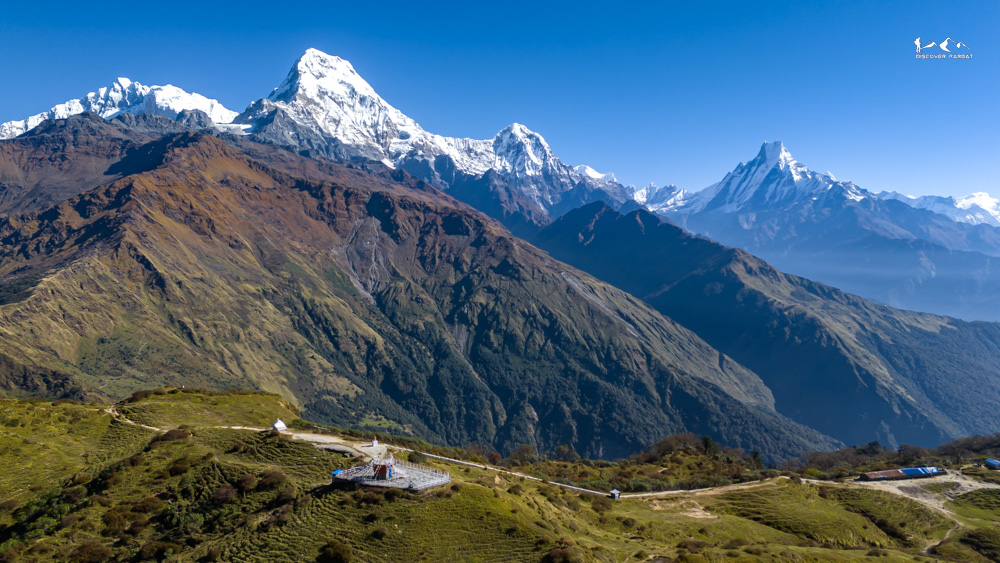
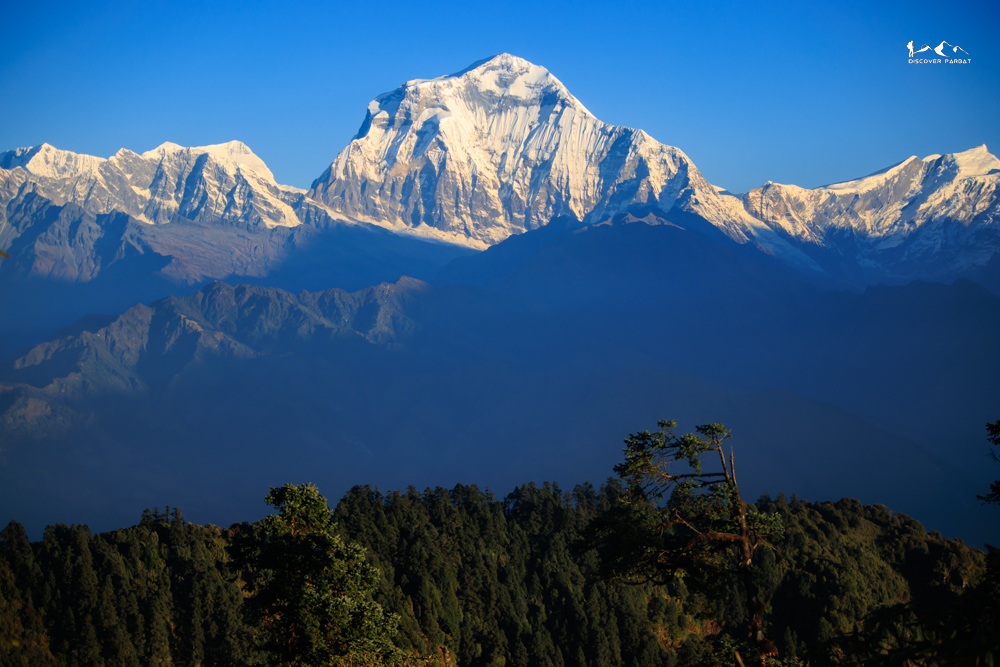
The first two days climb from Ghandruk through Tadapani to Dobato, a small cluster of lodges on a ridge at around 3,500 m. From here a 25-minute walk before breakfast takes you to the Muldai Viewpoint, the highest point of the trek at roughly 3,650 m. Few trekkers make it this far, and on a clear morning the view runs from Dhaulagiri across the Annapurnas to Manaslu.
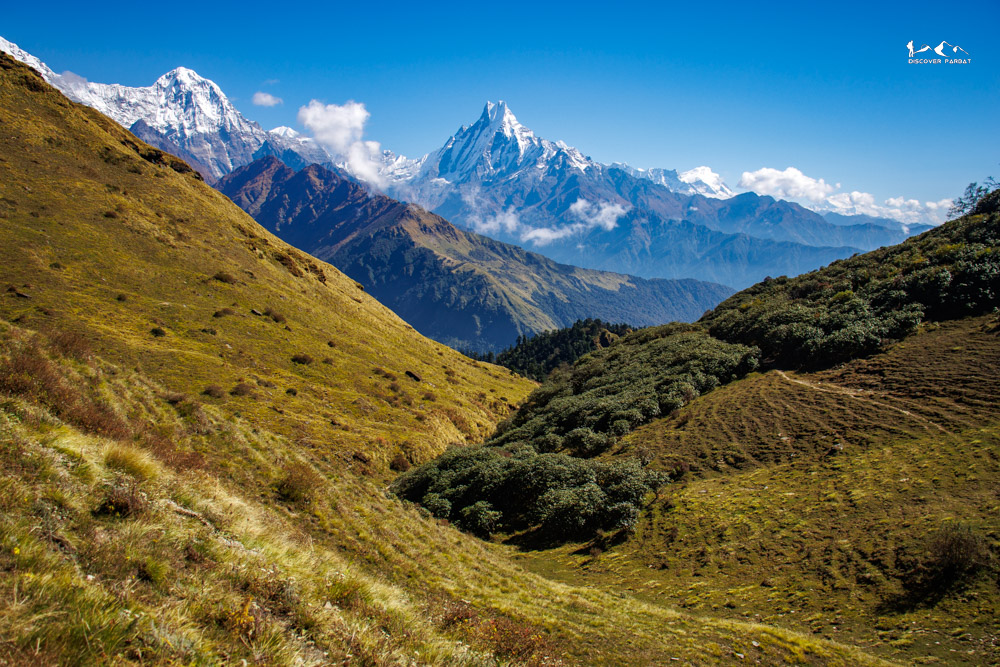
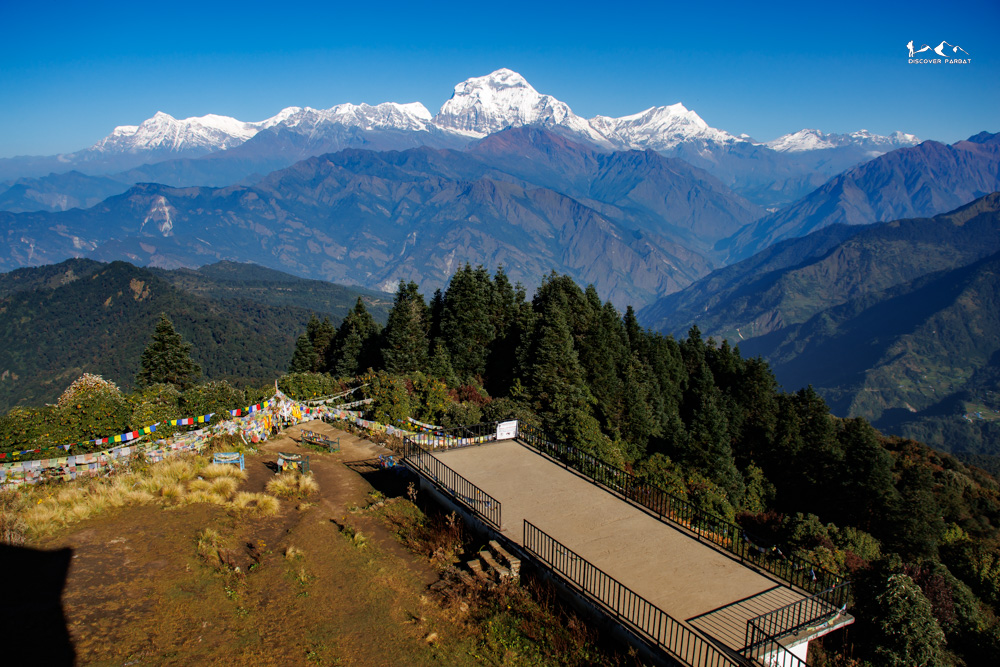
From Muldai the trail drops to Ghorepani. Most itineraries climb Poon Hill in the dark with hundreds of others; we go after breakfast, when the crowd has gone and the viewing tower is nearly empty. That same day we leave the main trail at Phulbari and climb through rhododendron forest to Kokhe Danda (3,310 m), which looks back across everything you have walked.
The last two days belong to Parbat. After sunrise on Kokhe Danda we follow the ridge past Mohare and Dhima, drop down stone steps from Jaljala to the Magar village of Lespar, and spend the night with a host family, finishing with a momo-making session. On the final morning we walk over Haljure to Banau and drive back to Pokhara via Kushma.
Compared with the 5-day Classic Trek, this route trades the Haljure and Sarga homestays for more altitude and more mountain views. It is graded Moderate, needs an ACAP permit because the first four days are inside the Annapurna Conservation Area, and suits anyone comfortable walking 5 to 6 hours a day.
You want Kokhe Danda plus the bigger Annapurna viewpoints in one connected journey
You have 6 days and are comfortable walking 5 to 6 hours a day
You like famous highlights like Ghandruk and Poon Hill, but without walking with the crowd
You want to finish with real village life rather than a busy roadhead
You only have 3 to 5 days. Try the Short Kokhe Danda Trek or the Classic Trek
You expect luxury teahouses throughout. Kokhe Danda and Lespar are simple, clean and wonderfully local
Morning drive from Pokhara to Ghandruk, about two and a half hours (43 km). After a short tea break we start walking towards Tadapani. After two and a half hours we reach Bhaisikharka for lunch, then walk another hour on a gradual uphill trail through rhododendron forest to Tadapani.
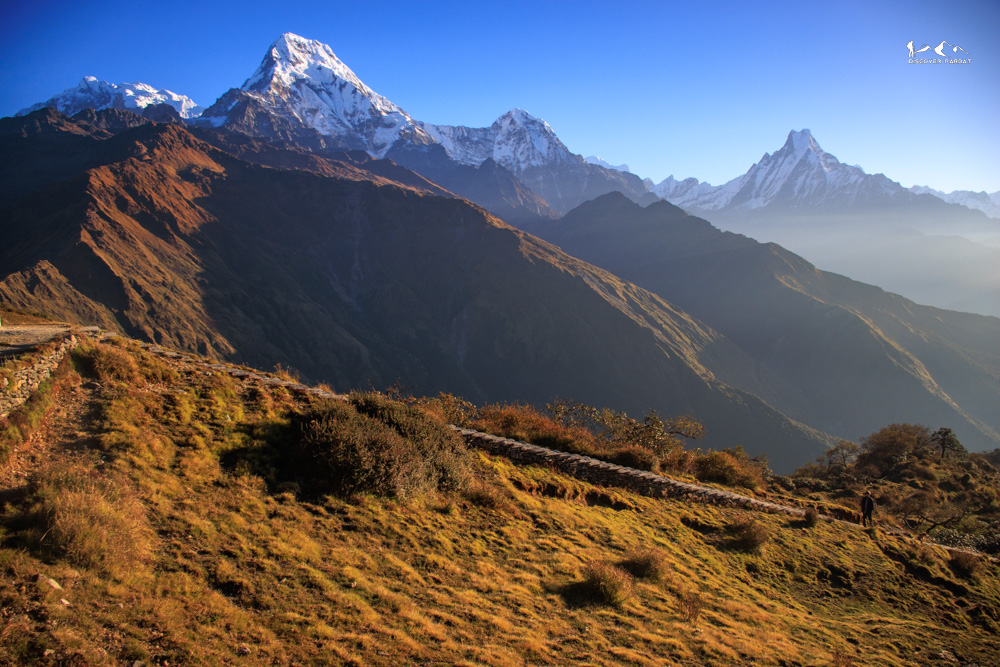
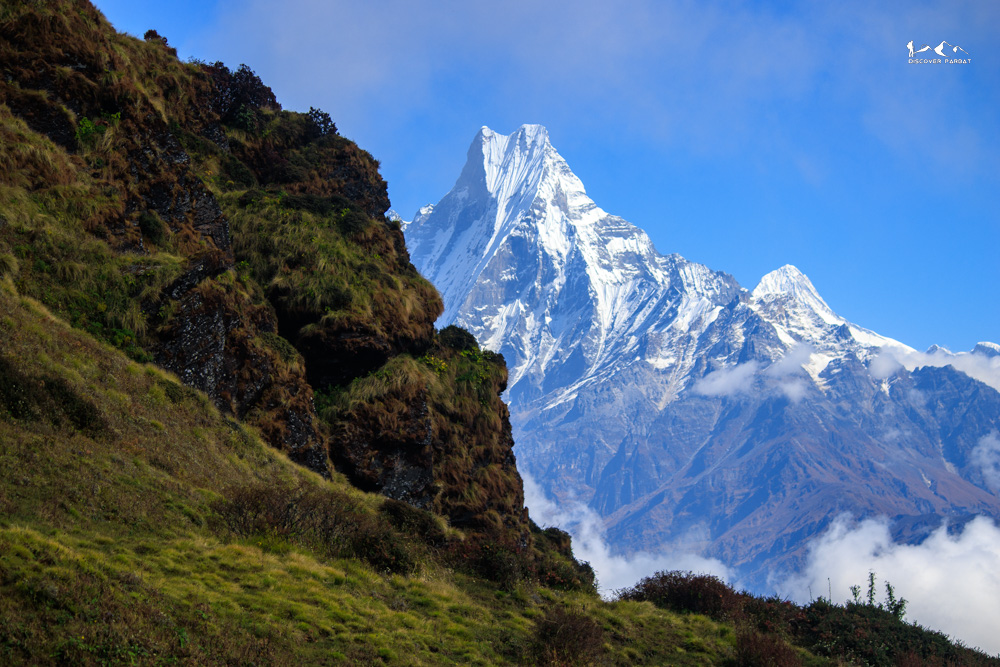
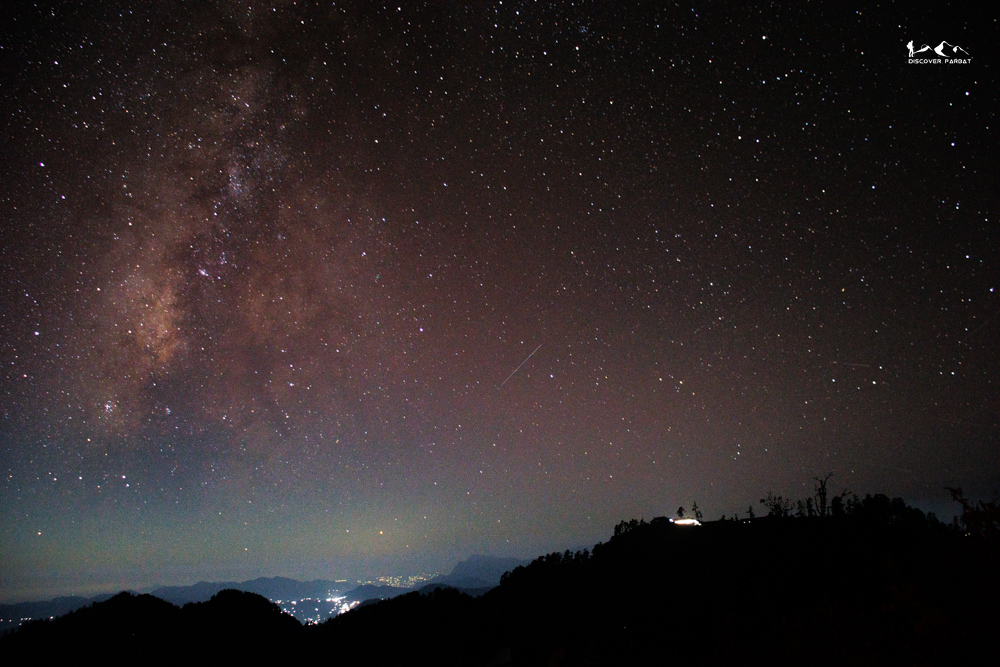
We wake up early for sunrise. In clear weather Annapurna South, Hiunchuli and Machhapuchhre are in view.
After breakfast we head towards Dobato through rhododendron and oak forest. The trail is gradual at first, then a bit steep between Meshar and Isharu, where we stop for lunch. Another hour and a half brings us to Dobato, where we stay at Hotel Dobato ViewTop. You can also walk up to Muldai for sunset.
We wake up early and walk about 25 minutes to the Muldai Viewpoint for sunrise over Dhaulagiri, Annapurna and Manaslu, then return to the teahouse for breakfast.
After breakfast we climb back over Muldai and begin a long descent. After a couple of hours we reach Deurali for lunch, then follow a gentle uphill and the ridgeline to Ghorepani.
Unlike most groups, we don't climb Poon Hill before dawn. We go after breakfast instead: an hour uphill on stone steps, and by the time we arrive the viewpoint is almost empty. Later we descend to Phulbari for lunch and then climb through rhododendron forest to Kokhe Danda.
We wake up early for the first light on Dhaulagiri and the Annapurna range. On a very clear day the view reaches as far as Langtang Lirung and even Numbur in the Lower Everest region.
After breakfast the trail is mostly flat or gently downhill to Dhima Danda, then drops to Jaljala and follows stone steps all the way down to Lespar. After lunch we explore the village, and in the evening there is a momo-making session at the Lespar homestay.
After a local breakfast we walk to Banau via Haljure: an hour uphill, mostly flat to Haljure, then an hour's descent to Banau. From there we drive back to Pokhara with a stop at Kushma, about two and a half hours in total.
Yes, for fit beginners. It is graded Moderate. The longest day is Day 3, with the sunrise walk to Muldai followed by a long descent to Ghorepani. If you can walk 5 to 6 hours on consecutive days, you will handle this route well.
The 5-day Classic Trek stays entirely in Parbat, with homestays in Haljure, Lespar and Sarga and no permit. The Extended Trek starts in the Annapurna region and reaches Kokhe Danda over Dobato, Muldai and Poon Hill, so it is higher, has more big-mountain viewpoints, and needs an ACAP permit.
Muldai sits just above Dobato at around 3,650 m and is the highest point of the trek. The walk up takes about 25 minutes. On clear mornings the panorama runs from Dhaulagiri across the Annapurna range to Manaslu, with almost no other trekkers.
At dawn Poon Hill can be crowded with hundreds of trekkers. By mid-morning most have left for the next village, so you get the same mountains with the viewpoint nearly to yourself, and you have already had sunrise at Muldai the day before.
We arrange private transport from Pokhara to Ghandruk, about two and a half hours. On the final day we drive from Banau back to Pokhara via Kushma, another two and a half hours. Both transfers are included.
Most nights are in teahouses with private rooms and shared bathrooms. Dobato has a simple, well-placed lodge, Hotel Dobato ViewTop. Kokhe Danda accommodation such as Aapa Cottage is basic and off-grid. The final night in Lespar is a family homestay. Bring a sleeping bag liner for the higher nights.
October and November give the clearest skies for the sunrises at Muldai and Kokhe Danda. March to May brings rhododendrons in bloom through the forests between Ghandruk and Dobato. December is quiet and cold. June to September is monsoon and not recommended.
Yes. The first four days are inside the Annapurna Conservation Area, so an ACAP permit and a TIMS card are required. Both are included in your trek cost and arranged by us in Pokhara.
Sturdy trekking boots, a down or fleece jacket (nights at Dobato and Kokhe Danda can drop near freezing), a waterproof shell, trekking poles for the long descents, a headlamp for sunrise starts, a water bottle, sunscreen and a 20 to 25 L daypack. See our packing list.
If you need to return early for any reason, there is no refund on the remaining trek cost. However, we will arrange comfortable accommodation for you in Pokhara for the number of nights that remain on your itinerary, at no extra charge. Please also see the full Cancellation Policy for details.