More Than a Trail —
A Story of Vision
The Kokhe Danda Trek is not just another trekking route in Nepal. It is a story of vision, patience, and deep connection to the land. While many Himalayan trails grew through commercial expansion, Kokhe Danda emerged quietly — shaped by local footsteps, community effort, and a desire to bring unseen beauty into the light.
Today, it stands as one of the most authentic and peaceful trekking experiences in Nepal, offering not only Himalayan views but a journey into culture, silence, and self-reflection.
"A trek that is not only seen, but truly felt."
A Popular Trail and
an Overlooked Region
For decades, Poon Hill has been one of Nepal's most popular short treks. Known for its accessibility and breathtaking sunrise views, it continues to attract trekkers from around the world.
Yet, just across the hills lies Parbat — a district equally rich in natural beauty but largely absent from the trekking map. Despite sharing the same Himalayan ranges, lush forests, and traditional villages, Parbat saw almost no foreign trekkers.
This contrast raised a simple yet powerful question:
"Why should such beauty remain unseen?"
The Beginning
of a Vision
Growing up near Khurkot, overlooking the hills of Haljure, Sameer Regmi observed this imbalance closely. The mountains did not change across districts — only awareness did.
This realization planted the seed for a larger purpose: to bring recognition to Parbat and create opportunities for local communities through tourism. From this idea, Discover Parbat was founded — not merely as a trekking company, but as a platform to showcase hidden destinations, local culture, and authentic Himalayan life.
Before Kokhe Danda
Was on the Map
In its early days, Discover Parbat focused on promoting lesser-known areas such as Haljure, Lespar, Phalame Danda, and the Hampal–Jaljala region.
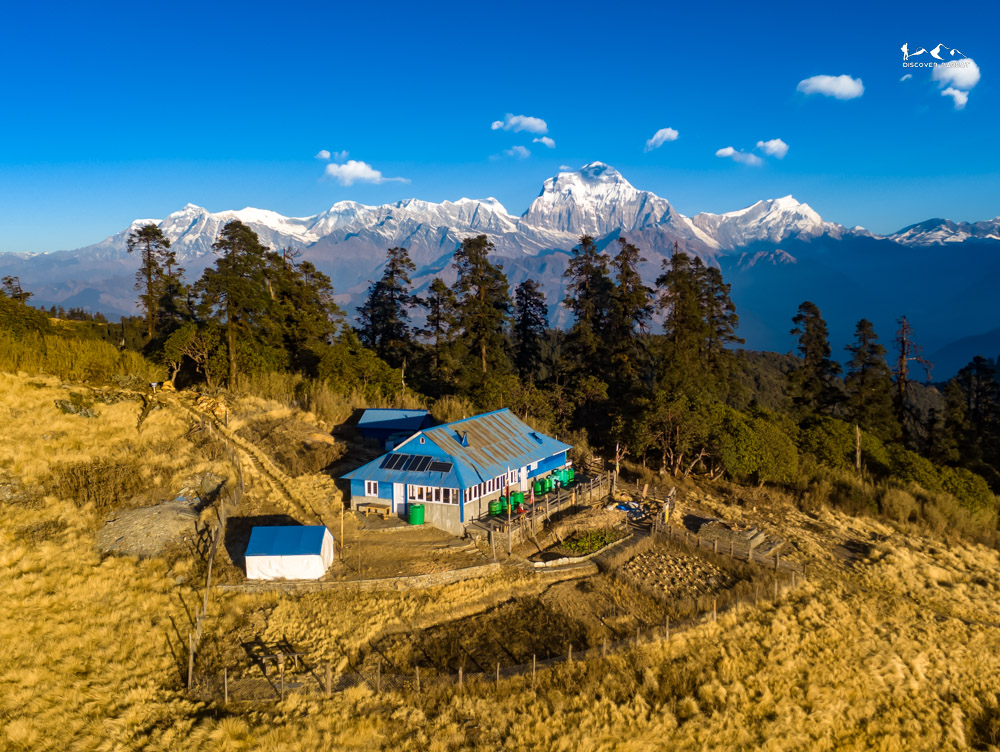
At that time, Kokhe Danda was not a trekking destination. It was known only to locals from Jhillibarang in Modi Gaupalika. There were no established routes, no visibility, and no structured trekking experience.
However, everything changed with a simple discovery — a teahouse being built on Kokhe Danda. The presence of a teahouse meant possibility. Through connections with the teahouse owner and contributors like Sudip Guru, who shared visuals online, a new idea took shape: to connect existing local trails into a complete trekking route, with Kokhe Danda as the central highlight.
This was not about creating something artificial — it was about recognizing what already existed and giving it direction.
Building the Trek,
Village by Village
The development of the Kokhe Danda Trek was a gradual and community-driven process. Existing village trails were linked together, forming a natural route connecting Haljure, Lespar, Sarga, Phalame Danda, and Kokhe Danda itself.
At the same time, local communities were introduced to the potential of tourism. Homestays were encouraged to improve facilities while authenticity was preserved as a non-negotiable priority. Photos and videos were shared online, slowly attracting attention — first from domestic trekkers, then internationally.
"The first trekkers were mostly from Parbat and Baglung — neighbors discovering their own backyard."
A major turning point came with the visit of Ghumante, one of Nepal's leading travel content creators. His coverage brought Kokhe Danda into the spotlight significantly, and soon inquiries began arriving from international trekkers as well. This marked the transition of Kokhe Danda from a local trail to an emerging trekking destination.
Six Reasons This Trek
Stands Apart
Authentic Cultural Immersion
In places like Lespar, trekkers stay in traditional homes, eat meals prepared in local kitchens, and engage directly with the community — a rare opportunity to experience real village life as it truly is.
Peaceful and Undisturbed Trails
Unlike commercial trekking routes, Kokhe Danda remains quiet and uncrowded. This allows for a deeper connection with nature and a more personal trekking experience at every step.
Rich Natural Landscapes
The trail passes through dense rhododendron and oak forests in the Hampal–Jaljala region, offering seasonal beauty and biodiversity that surprises even experienced trekkers.
Panoramic Himalayan Views
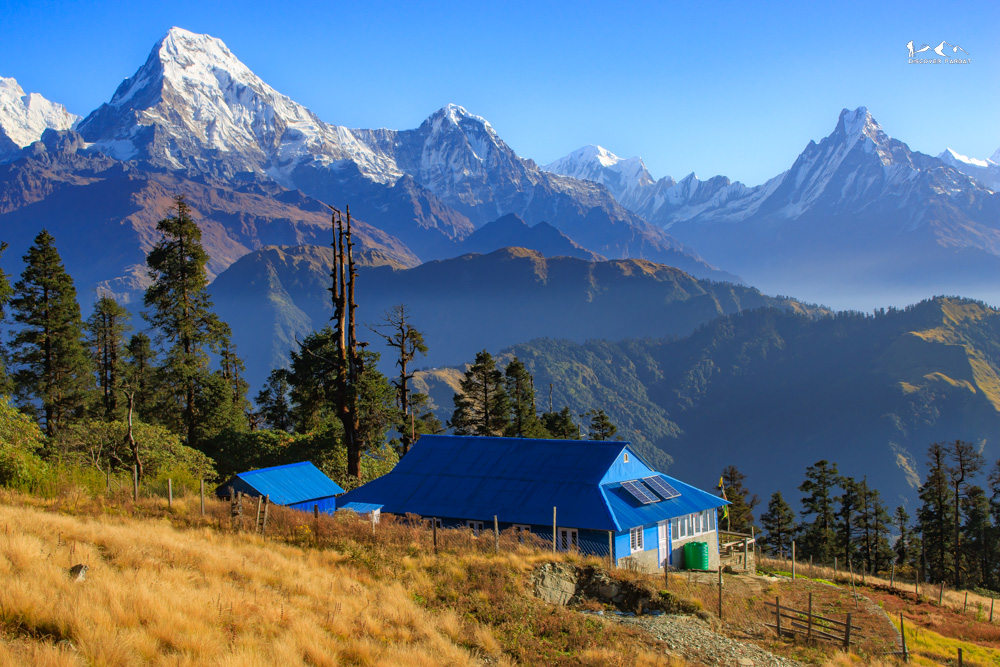
Viewpoints such as Kokhe Danda, Phalame Danda, and Haljure provide stunning vistas of the Annapurna and Dhaulagiri ranges — often without another soul in sight.
Warm Local Hospitality
The principle of Atithi Devo Bhava — Guest is God — is deeply felt throughout the trek. Visitors are welcomed with sincerity, kindness, and a warmth that commercial routes rarely offer.
A Spiritual Experience
Beyond landscapes, the trek offers something intangible — a sense of stillness. Walking through silent forests, sharing moments with locals, and sitting under star-filled skies often becomes a journey inward as much as outward.
Why Kokhe Danda Is
Gaining Recognition
From a ridge known only to locals, Kokhe Danda has grown into a trail that trekkers seek out from across the world — not because of marketing, but because of genuine experience and word of mouth.
A Journey That Is
Truly Felt
The Kokhe Danda Trek is more than a destination — it is a reflection of what mindful tourism can achieve. From an unnoticed ridge known only to locals, it has grown into a meaningful trekking experience through vision, community effort, and authentic storytelling.
For those seeking not just views, but connection — for those who value silence, culture, and depth — the Kokhe Danda Trek offers something rare in today's world: a journey that is not only seen, but truly felt.